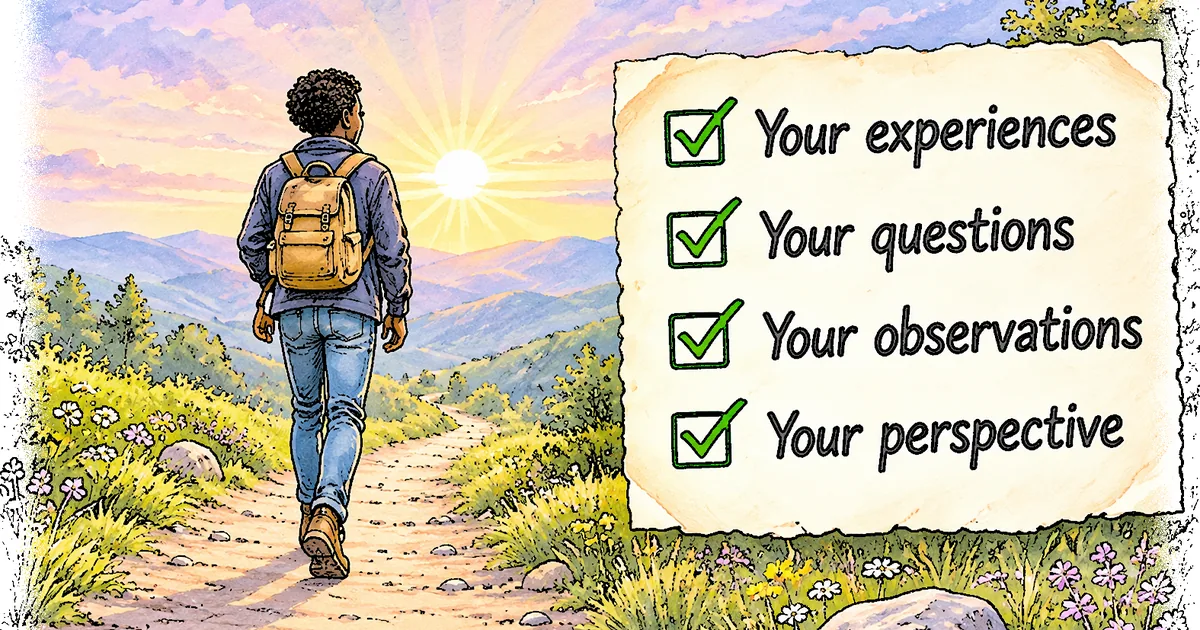
Every writing course seems to ask the same question: Who is your audience? It is a reasonable question, and one every writer should consider. You need to know whom you are addressing, what they are likely to know already, what they need to understand and what you hope your writing will accomplish. But there is another question worth asking: Are you writing to express something you genuinely think, or are you merely trying to produce something you believe other people will approve of?

There is a danger in becoming too preoccupied with an imagined audience. You begin to anticipate objections before you have even formed your argument. You avoid an observation because someone might disagree, remove a personal illustration because it may not appeal to everyone and soften an opinion until it no longer says very much. In trying to make your writing acceptable to everybody, you can gradually remove the very qualities that would have made someone want to read it.

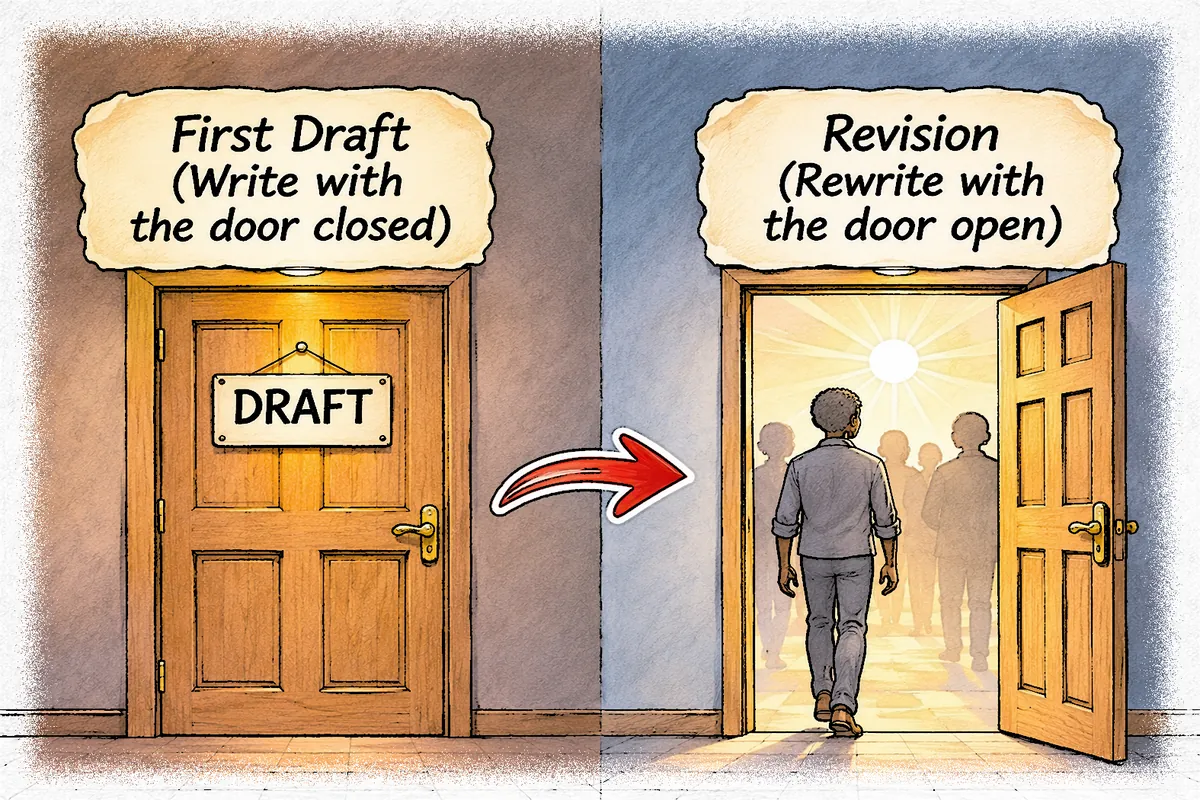
Stephen King offers an interesting way of approaching this in On Writing. He recalls advice from his former editor, John Gould: "Write with the door closed, rewrite with the door open." The idea is that the first draft should give the writer room to discover and express the story without constantly worrying about outside judgement. Revision, however, requires the writer to consider the reader and remove what does not serve the work. King explains that the writing begins as something personal, but once it is ready, it belongs to anyone who wants to read it.
That distinction is worth paying attention to. Writing for yourself first does not mean that the finished work should be an exercise in self-indulgence. It means allowing yourself the freedom to think, explore and express an idea before the imagined reactions of others begin to govern every sentence.
There is also a practical reason to begin this way. Genuine interest gives you a reason to stay with a subject. When you care about what you are writing, you are more likely to investigate it, ask better questions, notice details and pursue an idea beyond the first obvious observation. A 2023 review of research on creative writing motivation discusses the role of interest, intrinsic motivation, topic knowledge and self-efficacy in the writing process. The research does not establish that writing only for yourself guarantees better work, but it does support the importance of a writer's motivation and engagement in sustaining the effort that writing requires.

This is not an argument against considering your reader. Quite the contrary. Respecting your reader is part of the writer's responsibility. If you are writing for first-time authors, you should explain what an ISBN is. If you are writing for experienced publishers, you may reasonably assume they understand the basic publishing process. If you are writing a children's book, you must consider the child's age, vocabulary and level of understanding. If you are writing a theological article, you should know whether your readers are new believers, church workers or ministers who have studied the subject for years.

Research on audience awareness reinforces this point. In one study, writers who received feedback from their readers were able to revise their procedural explanations more effectively. The researchers also found that the experience of revising in response to feedback improved later writing. Simply telling writers to think about an audience did not produce the same result. In other words, understanding your reader is not merely about imagining what people might want; it involves learning whether your communication actually works for them.

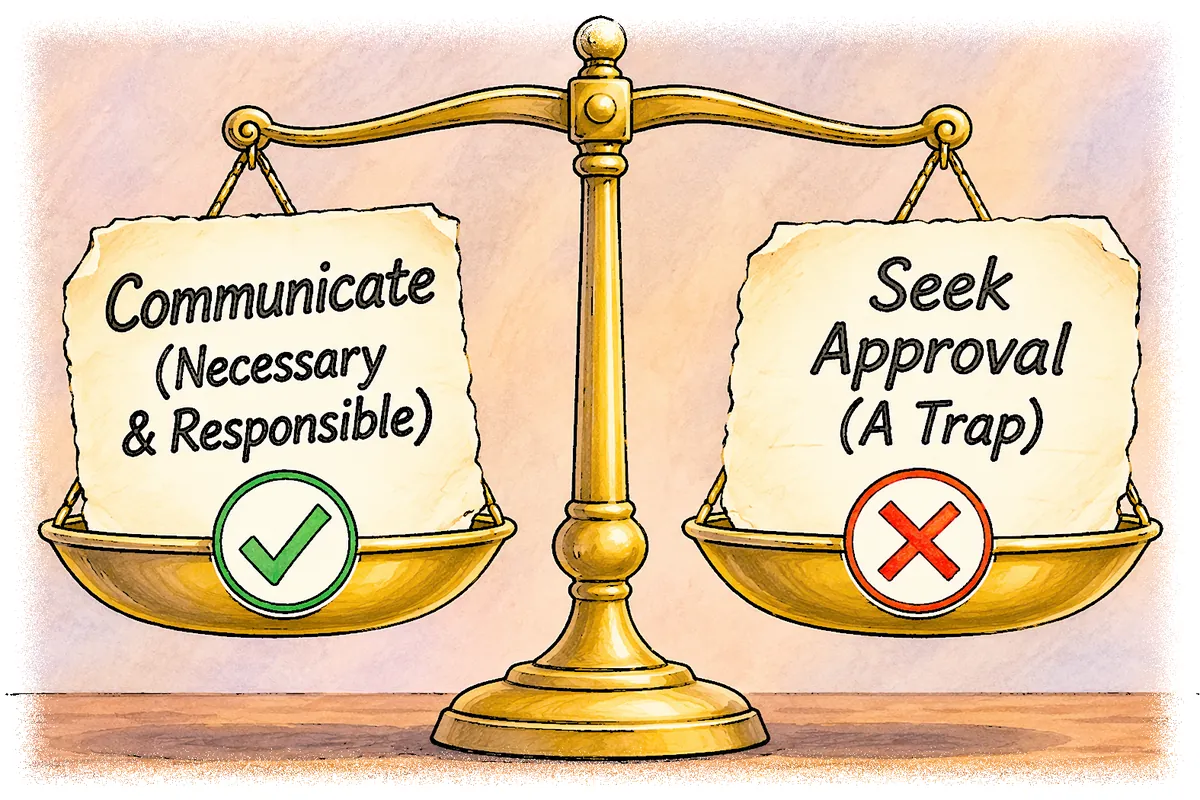
The distinction, then, is between writing to communicate with your reader and writing to win your reader's approval. The first is necessary; the second can become a trap.
You do not have to remove every strong opinion, personal observation, unusual illustration or expression of humour because you cannot be certain that everyone will appreciate it. Nor should you assume that every reader must share your interests. Your responsibility is to make your meaning clear, support your claims and give the reader a worthwhile reason to continue. You are not required to become a different person in order to do that.
A writer who is genuinely interested in a subject has something to bring to it. That interest may appear in the questions asked, the examples selected, the details noticed or the particular angle from which the subject is examined. Two people can write about the same event and produce entirely different accounts because they notice different things and understand the significance of those things differently.
Before you begin writing, identify what you genuinely want to say. Then consider the reader who needs to hear it.
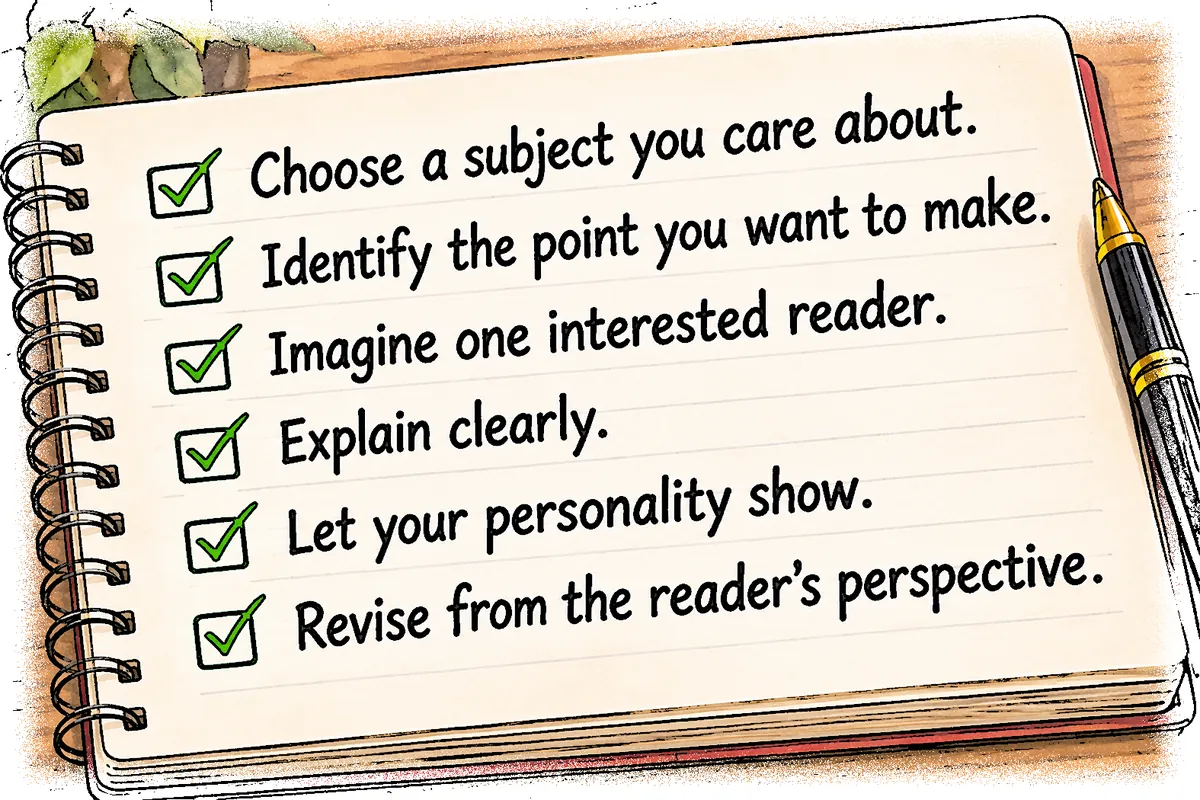
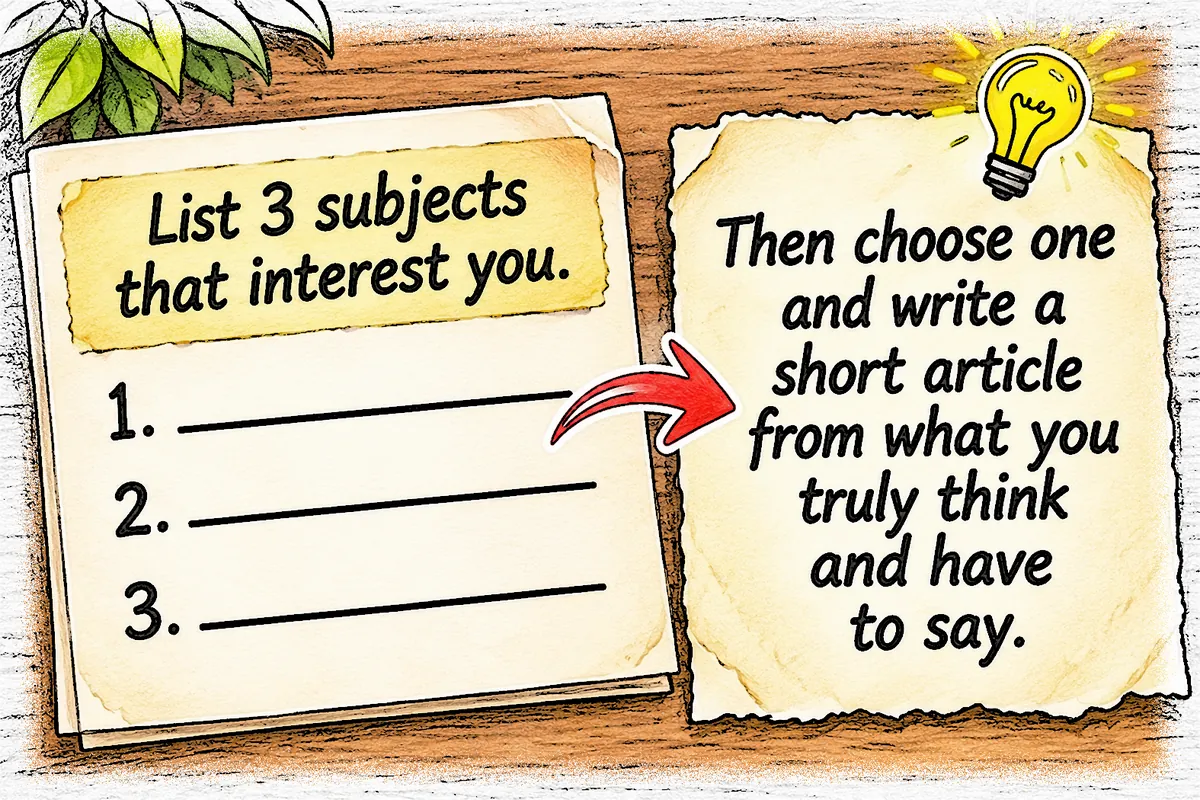
Try this: List three subjects in your field that genuinely interest you. Beside each one, write down what you find interesting about it and what you would like others to understand. Choose one and write a short article. Do not begin by asking what will attract the most attention. Begin with what you actually have to say.
Inspired by William Zinsser’s On Writing Well.
Layo Obidike
LO Publications

What New Authors in Canada Get Wrong About Book Marketing: A breakdown of Canadian publishing realities
September 4, 2026

7 Common Writing Mistakes
January 21, 2026

Book Marketing 101
January 21, 2026
Get the latest publishing, book marketing & writing craft insights.