I am assuming that if you went to school, you were taught writing as a course of study. You probably wrote compositions, essays, letters and all sorts of assignments, some of which you enjoyed and others you simply wanted to get over with. Your teachers marked them, corrected your grammar, assessed your arguments and gave you grades. That is how many of us were introduced to writing. But I have come to think that writing is much more than a subject we studied in school. It is one of the most important skills a person can develop because it teaches you to think.
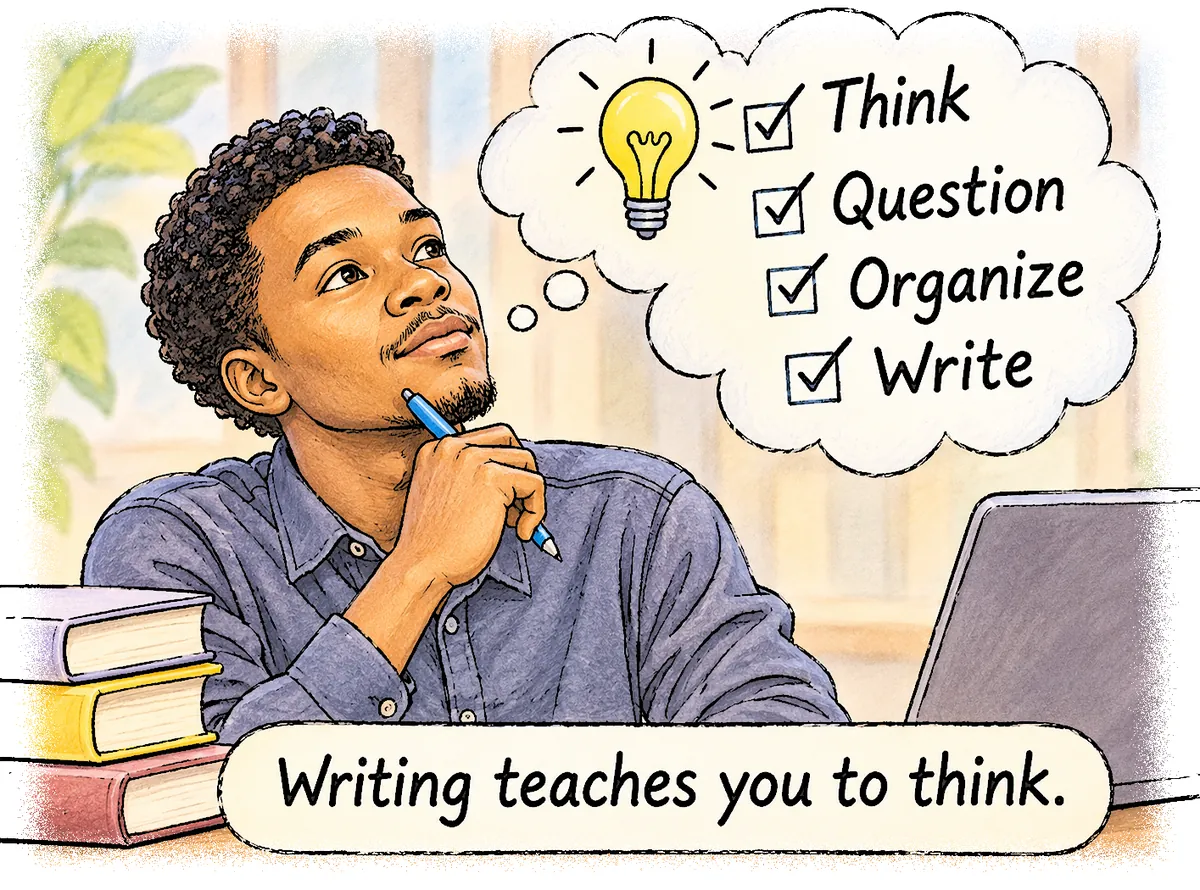
Think about it. It is difficult to write meaningfully about something you have not taken the time to think about. Writing forces you to examine what you know, question what you believe, arrange your thoughts and find the words to communicate them. Sometimes, you only discover what you actually think about a subject when you attempt to write about it.
But here is where I think we sometimes miss the point. We were often taught to write for our teachers, to produce essays that sounded impressive enough to earn good grades. We learnt to pay attention to what the person marking the paper wanted to see. Yet, writing goes beyond satisfying an examiner.
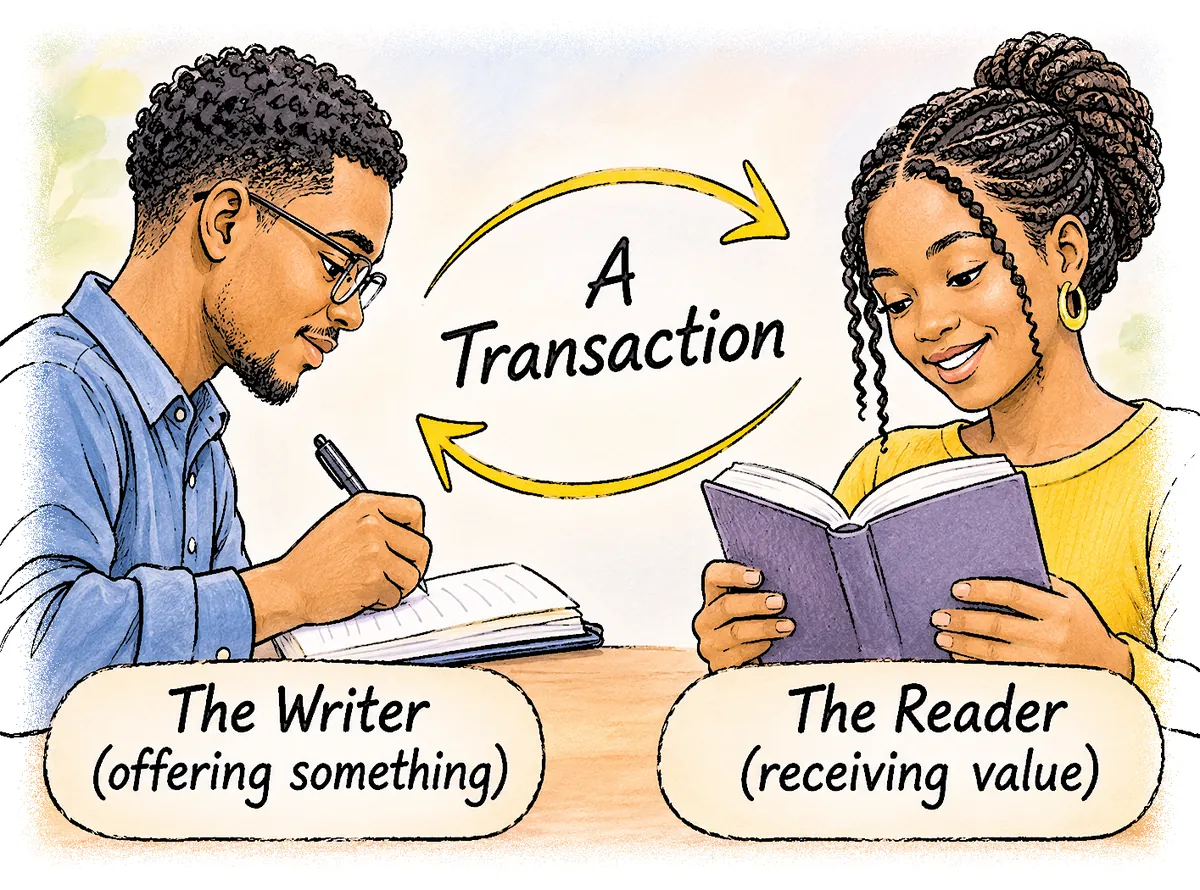
William Zinsser, in On Writing Well, presents an interesting way of looking at writing: as a transaction between two people, one person on one side of the page offering something to another person on the other side. I find this a particularly useful way to think about writing. Whether you are preparing a report, writing a devotional or publishing a blog post, somebody is going to read what you have written. That person is not obligated to stay, understand you or even be interested in what you have to say. You have to give them a reason to.
Another important consideration is that readers are not drawn to the subject alone; they are also drawn to the person writing about it. Two people can write about exactly the same subject, yet one article leaves you cold while the other holds your attention until the last sentence. What makes the difference? The person behind the writing. The warmth, honesty, clarity and personality that make you feel there is an actual human being speaking to you.
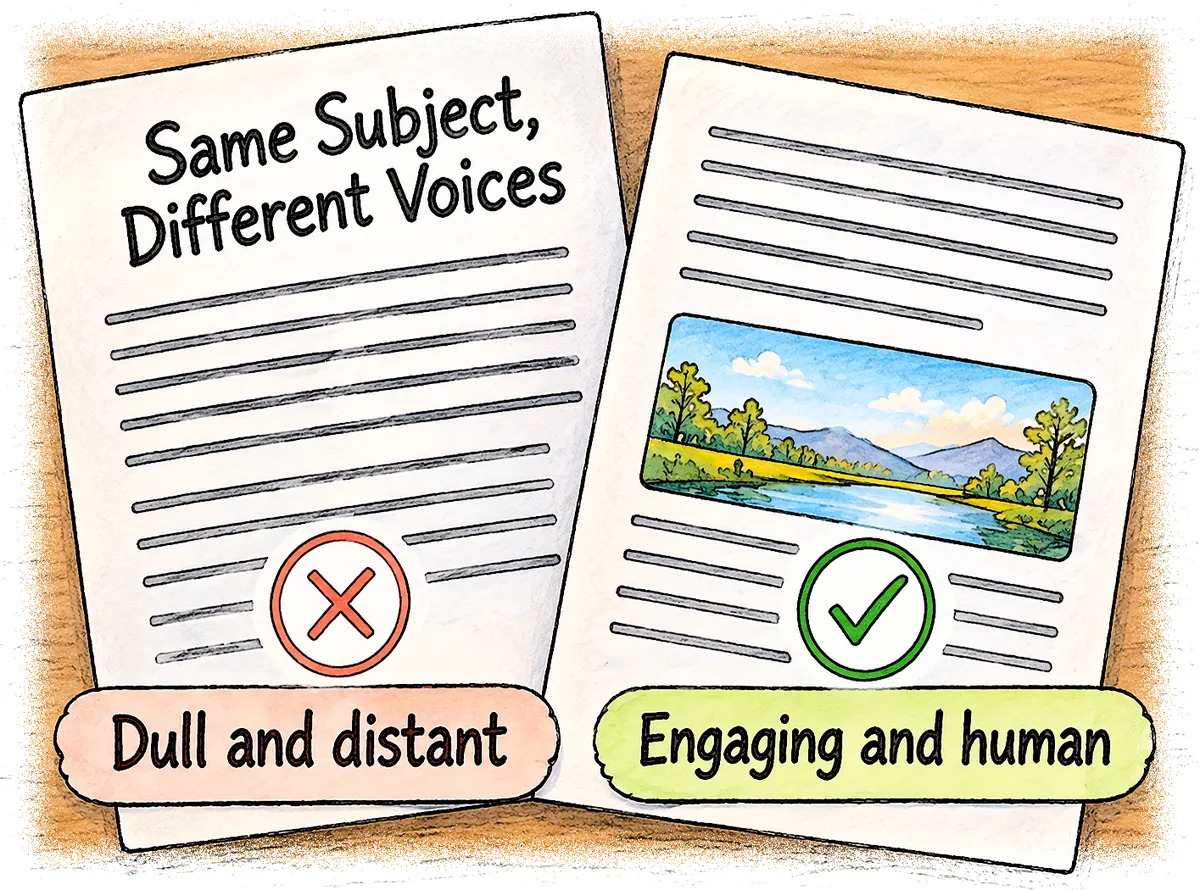
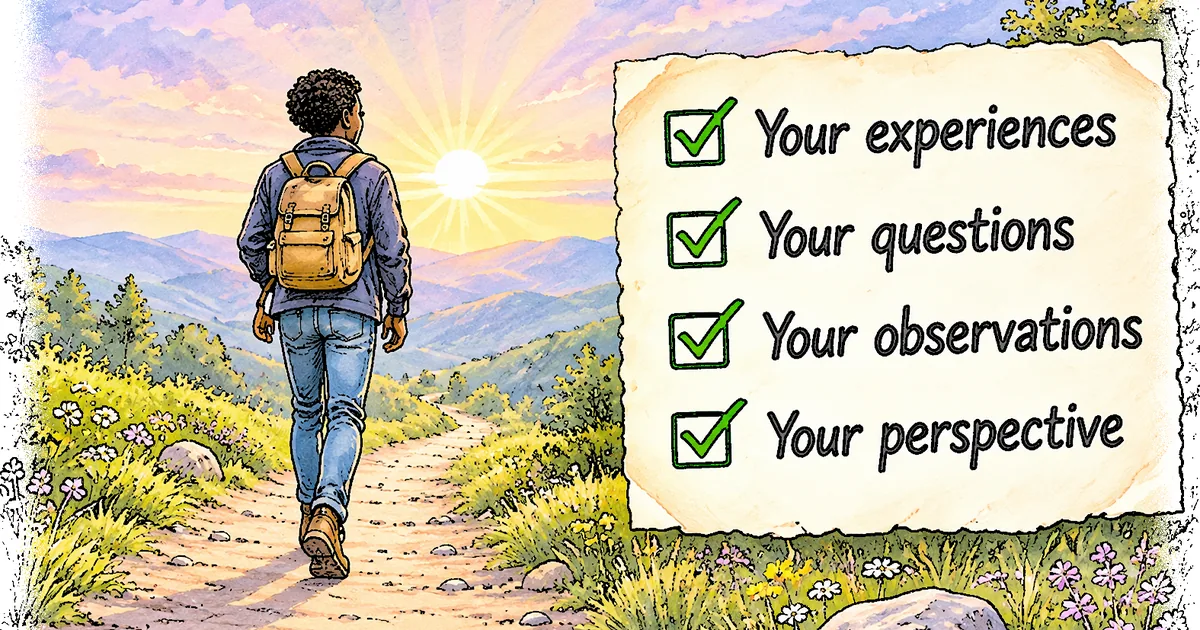
And that, to me, is good news. You do not need to discover an extraordinary subject before you can write something worth reading. Sometimes, what makes an ordinary subject interesting is the way you see it, the questions you ask and what you bring to the conversation. You do not have to sound like somebody else to be taken seriously. In fact, one of the quickest ways to lose your reader is to become so preoccupied with sounding intelligent that you forget to communicate.
But why do we sometimes put ourselves under so much pressure when writing? Why do we approach it as though we are walking on eggshells, constantly worrying about whether our thoughts are acceptable, whether our words are impressive enough or whether somebody might disagree with what we have written? I think we should learn to write freely, as independent thinkers. And by that, I do not mean writing without responsibility, consideration or regard for truth. I mean having the courage to think for ourselves, to explore ideas, to question things and to express what we genuinely think without constantly trying to sound like somebody else.
Writing, to me, is freedom. It gives you room to think, to reason, to document what you know and to put into words what might otherwise remain unexpressed. Of course, freedom does not excuse carelessness, dishonesty or ignorance. We must be responsible for what we put out into the world. But responsibility should not become an excuse to suppress our individuality or make us afraid to express ourselves.
I sometimes think about the fact that God Himself wrote. He instructed Moses to write on tablets of stone. In Exodus 31:18, the Bible tells us that the two tablets of testimony were written with the finger of God. Think about that. Writing was important enough to be used as a means of preserving His commandments and making His instructions known to His people. There is something significant about putting words into a form that can be preserved, read, studied, remembered and passed on to generations.
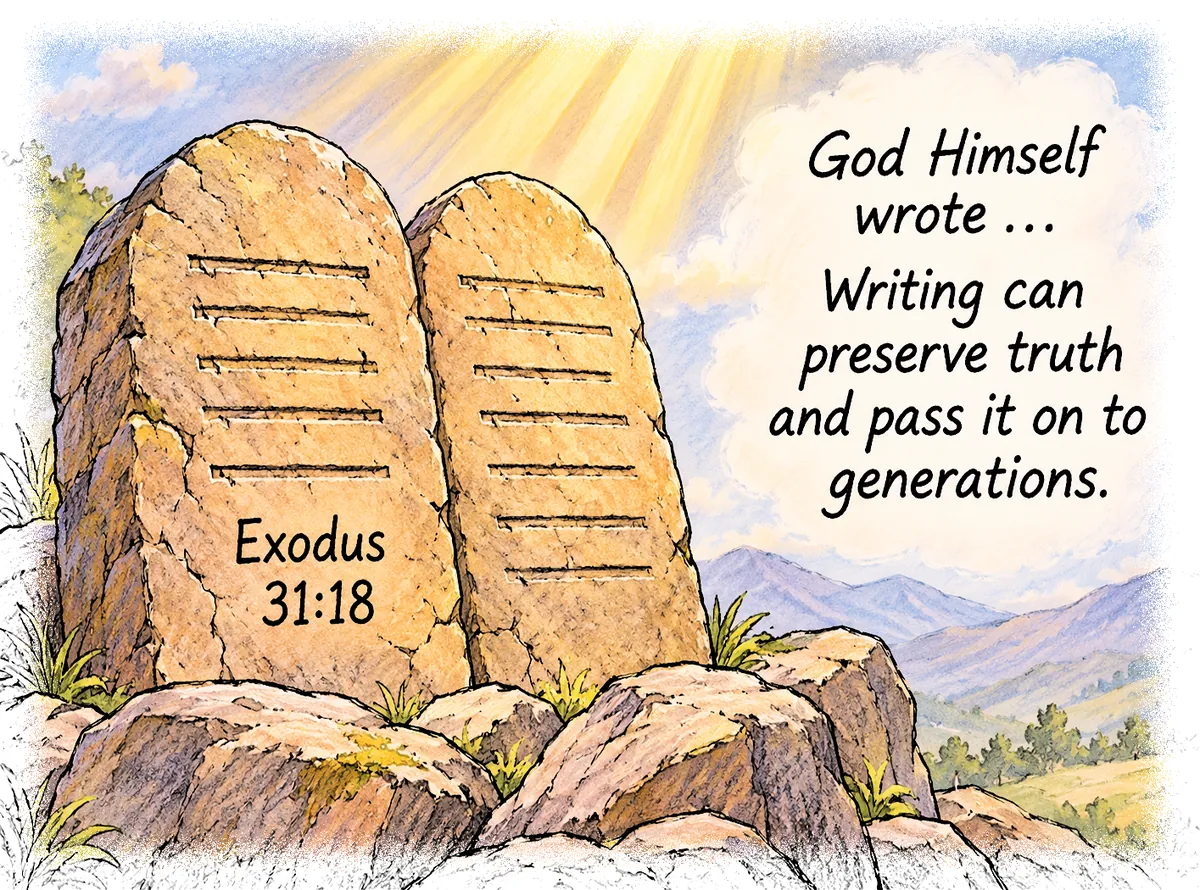
Perhaps we should give writing more credit than we do. It is not just an academic exercise or a means of passing examinations. It is a way of thinking, communicating, preserving knowledge and giving expression to what we believe. And if we are going to write, we should have the courage to write as ourselves.
It is my opinion that the most important skill we should develop as writers is not necessarily one that makes us sound academic, intelligent or sophisticated. I am not suggesting that these qualities are unimportant, but I think we sometimes place too much emphasis on how impressive our writing sounds and not enough on what it actually does.
There is a reason the saying that the pen is mightier than the sword has endured for so long. Words have power, and writing gives those words a life beyond the moment in which they are spoken. We can use that power to educate, encourage, correct, challenge, inspire and build people up. We can also use it carelessly and cause damage. A writer, therefore, has a responsibility to consider not just what they want to say but what their words might do to the person reading them.
In On Writing Well, William Zinsser places considerable emphasis on humanity and warmth as qualities that make writing engaging. These are important considerations, although good writing also requires clarity, honesty, thoughtfulness and an understanding of the person reading it. A writer has an opportunity to make or break through writing, much as people do through their spoken words, perhaps even more so. Spoken words may fade from memory, but written words can remain, be revisited, shared and interpreted long after the writer has moved on. Sometimes, what we write can take on a life of its own.
This is why I think we should occasionally stop and examine our intentions as writers. Ask yourself:
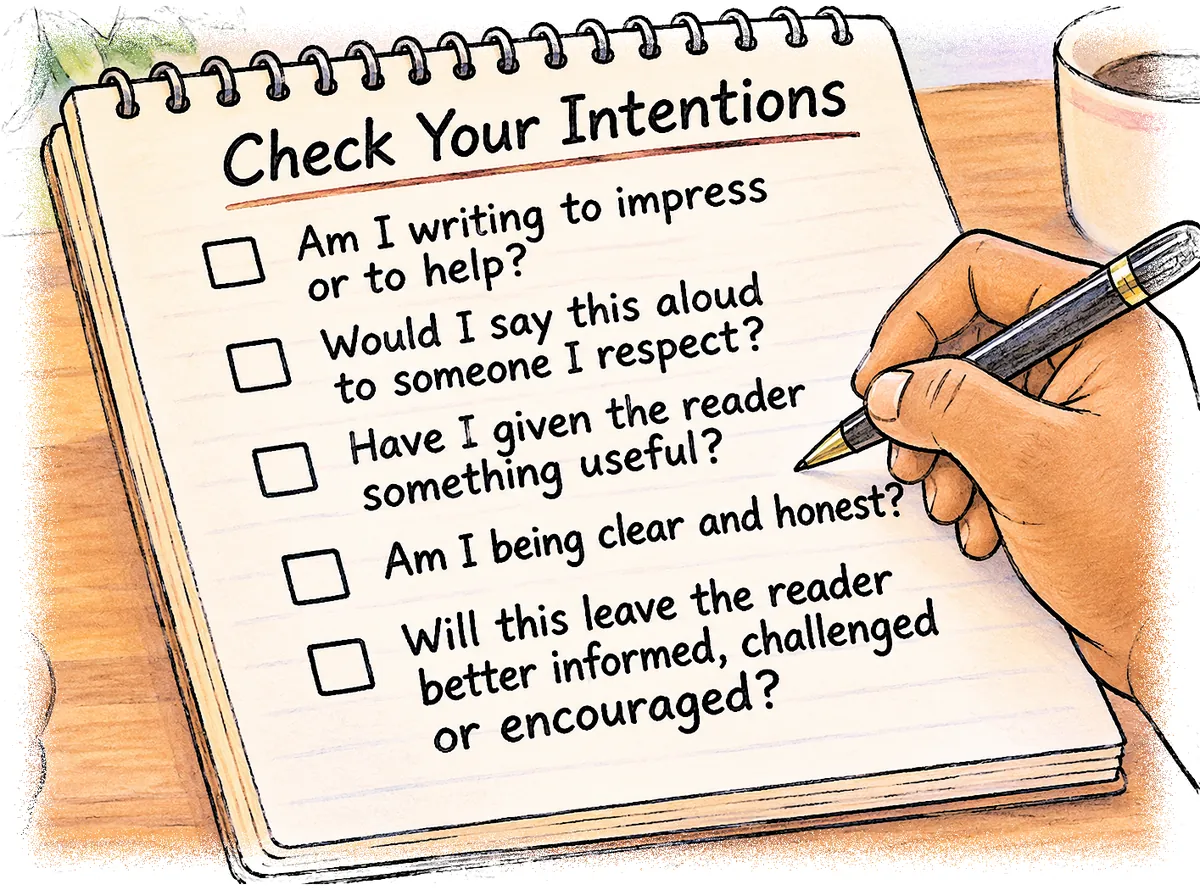
These are simple questions, but they can change the way we approach writing. The goal is not to produce sentences that make people admire our vocabulary. It is to communicate something meaningful, clearly and honestly. Good writing should leave the reader with something more than an impression of how well the writer can put words together.
Once you begin to see writing as a transaction, many problems solve themselves. Jargon becomes less appealing because it puts a wall between you and the reader. Long-windedness becomes unnecessary because you learn to respect the reader's time. You also begin to write with a specific person in mind, which makes many of your writing decisions easier.
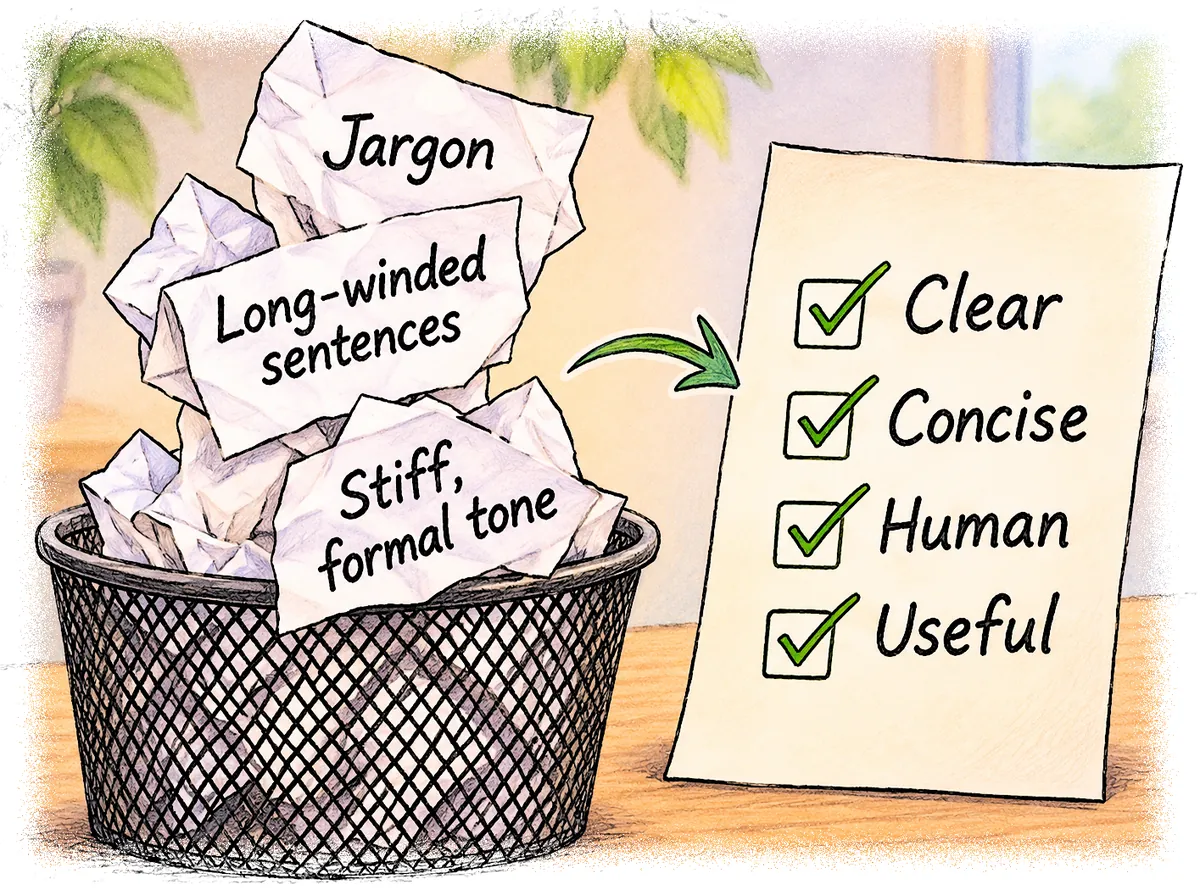
This does not mean pleasing everyone. A transaction is honest on both sides. You offer your best thinking in your own voice. The reader decides whether to stay. Your job is to make staying easy and worthwhile.
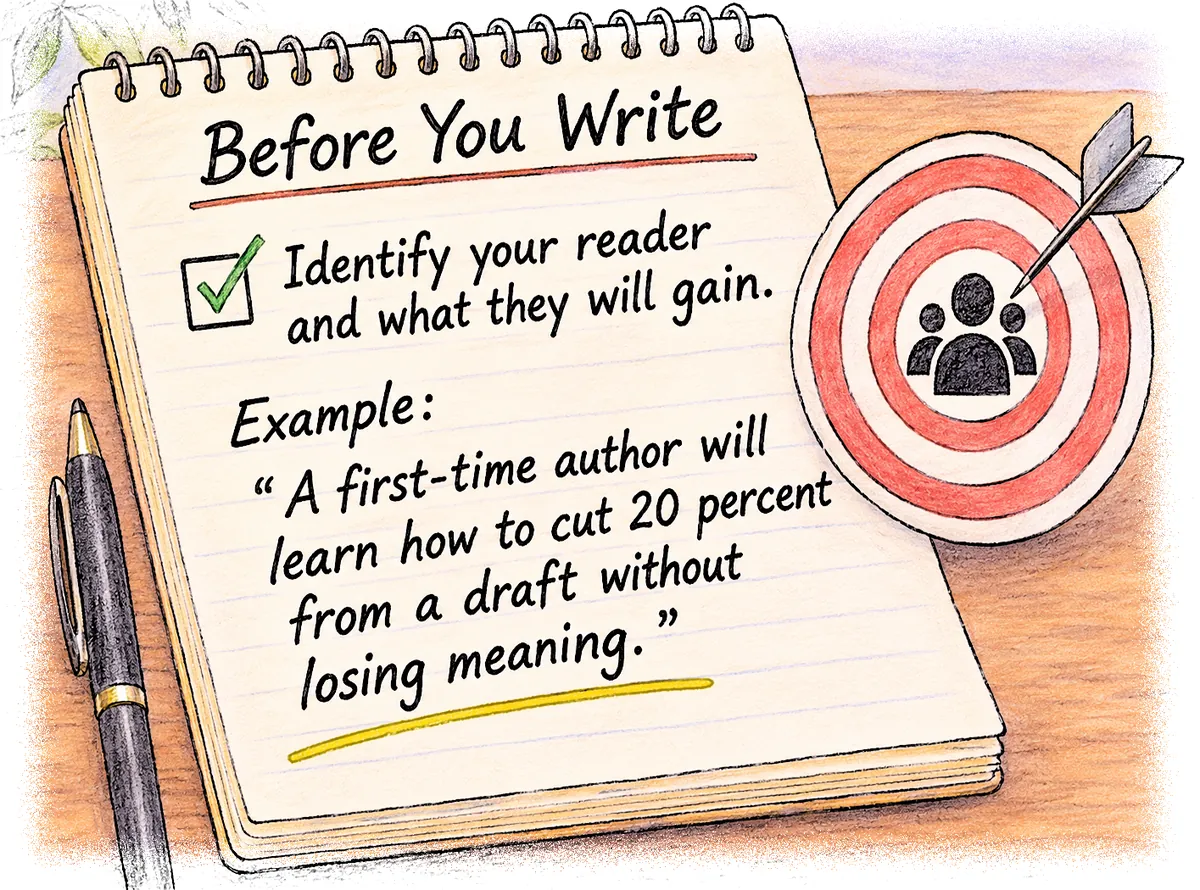
Before you write your next piece, write one sentence that identifies your reader and what they will gain from reading your work. For example: "A first-time author will learn how to cut 20 percent from a draft without losing meaning." Keep that sentence beside you as you write. When a paragraph does not serve that reader or contribute to the purpose of your writing, reconsider whether it needs to be there.
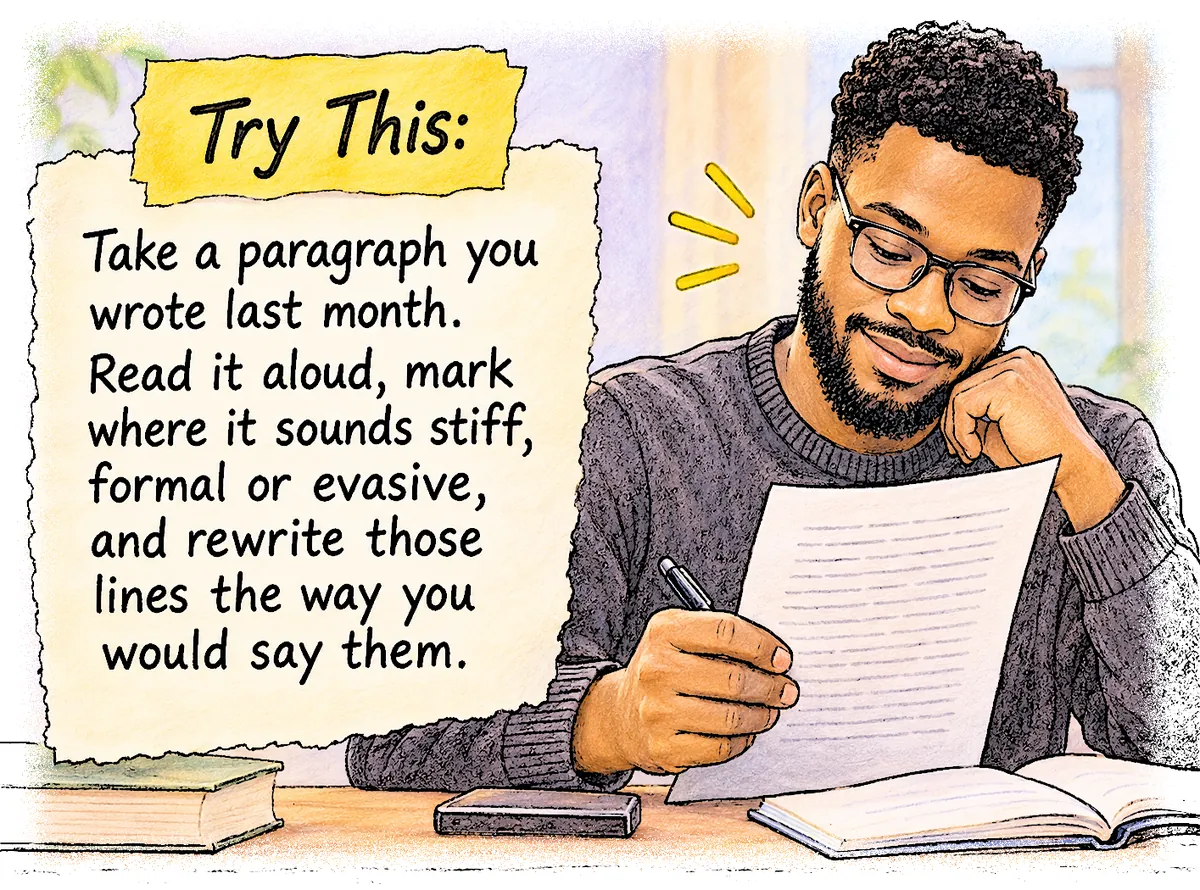
Try this: Take a paragraph you wrote last month. Read it aloud as if you were speaking to a friend across the table. Mark every place where you sound stiff, formal or evasive. Rewrite those lines the way you would naturally say them. Then read the paragraph again. Does it sound more like you? Does it communicate your thoughts more clearly? Does it give your reader a reason to keep reading? That is a good place to begin.
Inspired by William Zinsser’s On Writing Well.
Layo Obidike
LO Publications

What New Authors in Canada Get Wrong About Book Marketing: A breakdown of Canadian publishing realities
September 4, 2026
7 Common Writing Mistakes
January 21, 2026

Book Marketing 101
January 21, 2026
Get the latest publishing, book marketing & writing craft insights.